Second World War Clothing Ration Book
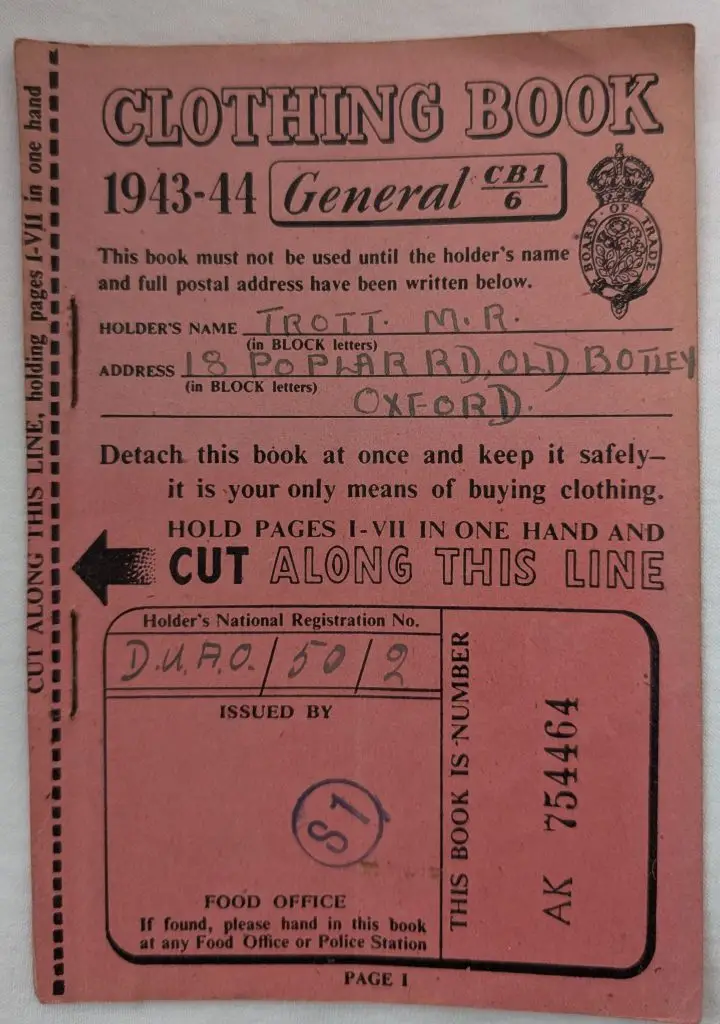
A Clothing Ration Book for 1943/44, made of pink card and accompanied by a book of coupons, some of which have been removed.
It was issued to Margaret Ray Trott who was living in Oxford at this time. It is on display in Cabinet 6 in the Main Gallery
To reduce the dependence on imported goods at the start of the Second World War and ensure that everyone had a fair share of what was available, the British government introduced food rationing in January 1940 and followed this with clothing rationing in June 1941.
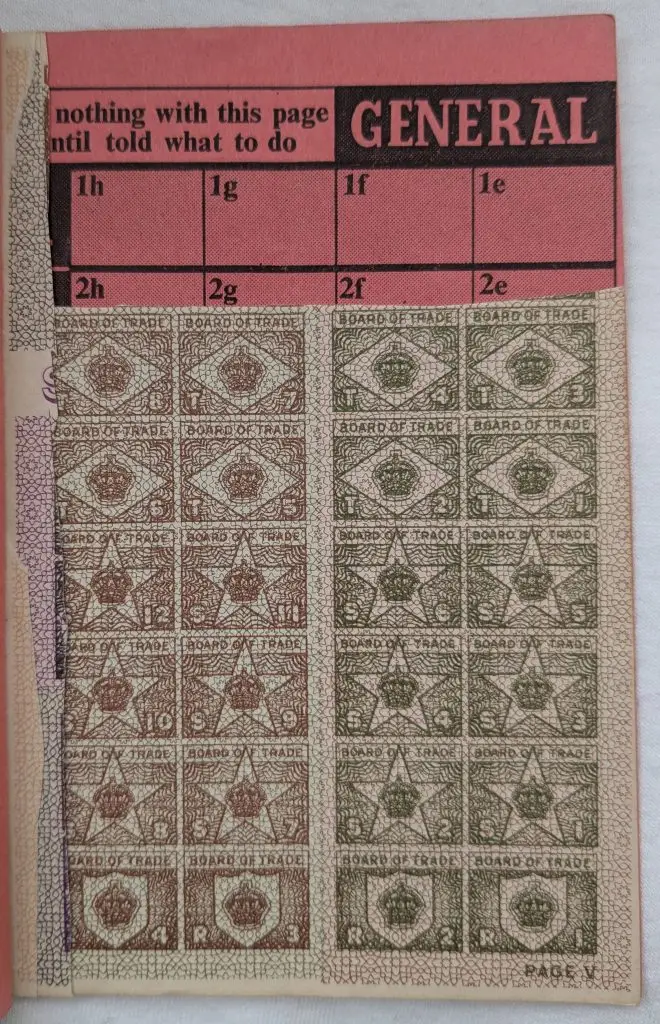
Clothing was rationed using a point’s system, with a ration book of 66 coupons per person per year. This allowed for about one new outfit a year but was reduced over time, until buying a coat used most of the year’s supply of clothing points. A man’s shirt or a pair of trousers required eight coupons, while eleven coupons were needed for a woman’s dress, five coupons for a pair of women’s shoes and seven for men’s shoes.
Also showing some unused coupons
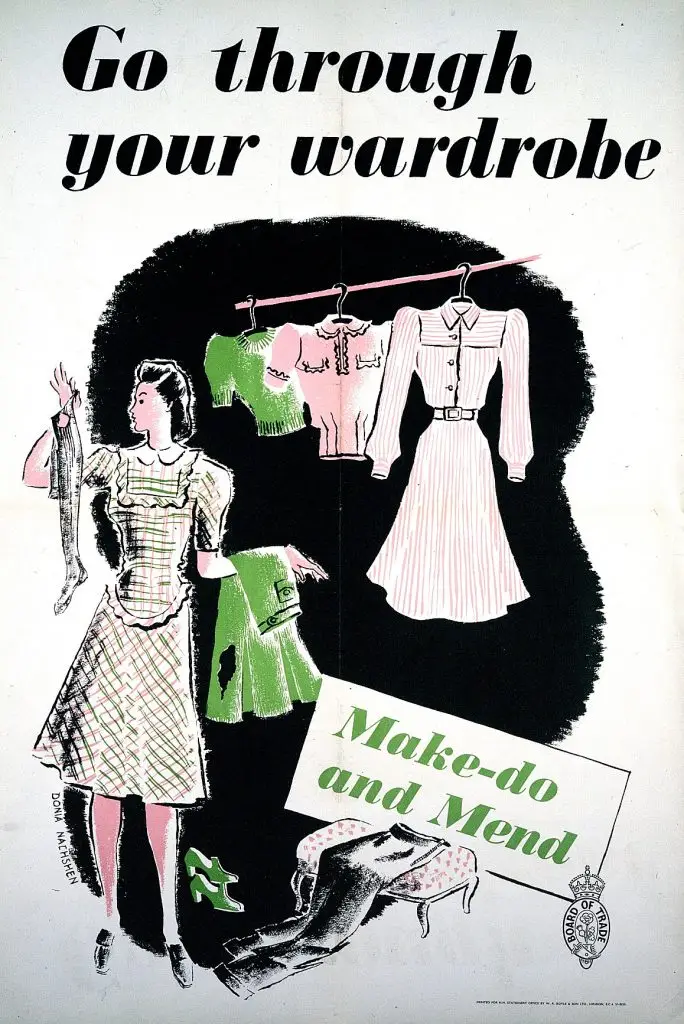
The Make Do and Mend campaign was used to encourage people to make their clothes to last longer, and the ability to ‘make your own clothes’ and repair them became essential as the war went on.
To boost morale the Incoprorated Society of London Fashion Designers, led by among others, Norman Hartnell and Hardy Amies, also created 34 smart Utility Clothing designs in 1942. They were officially approved by the Board of Trade and a selection was mass-produced.
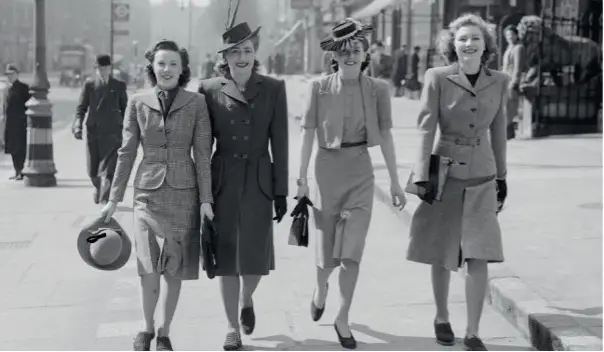
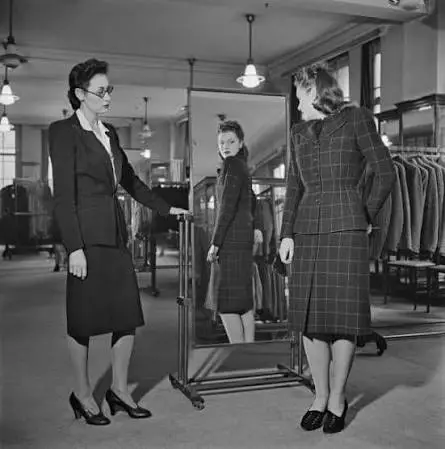
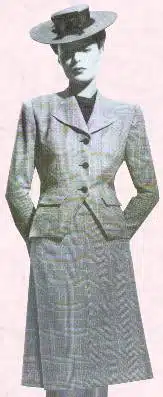
Utility designs followed the square shouldered and short skirted fashions of the war era whilst sticking to the strict regulations for minimal cloth usage. Buttons were limited to three and turn back cuffs were eliminated.
Skirts some 19 inches from the ground were usual. On view, a Standard Utility Suit designed by the Incorporated Society Of London Fashion Designers.
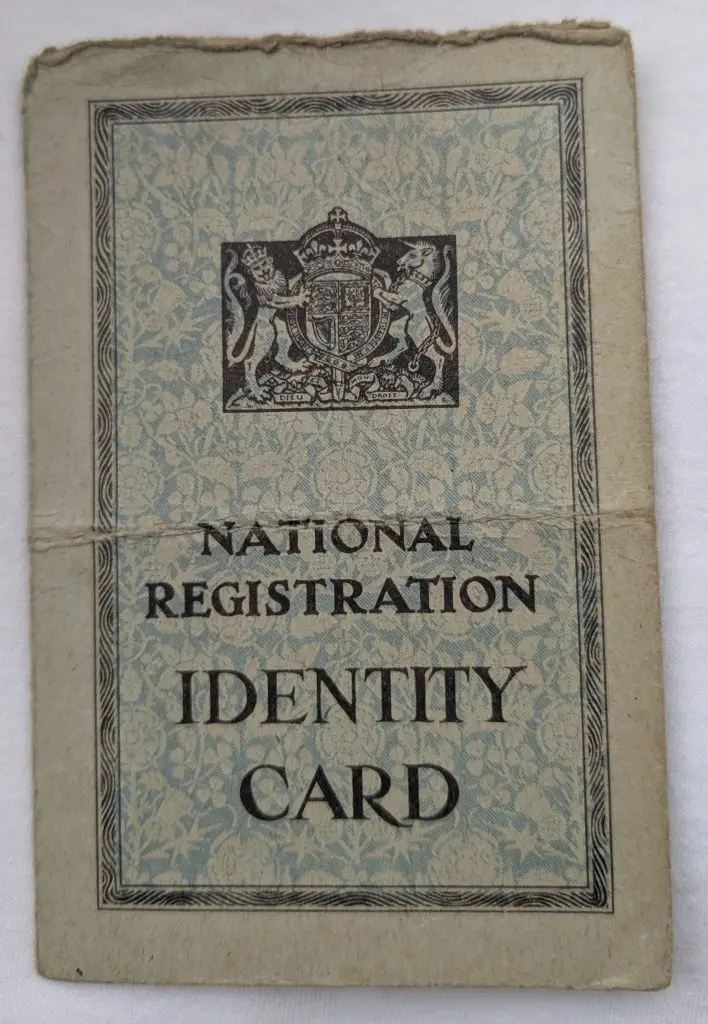
Also on display is Margaret Trott’s identity card.
During the Second World War, there was a National Registration scheme and everyone was provided with an individual national identity card that had to be carried at all times, with their name, address and a unique registration number.